Reviewing Customer Feedback: What You Need to Know About HVAC Services
Reviewing Customer Feedback: What You Need to Know About HVAC Services
Blog Article
The comfort of your home or office can be significantly influenced by the efficiency of your HVAC system, especially when temperatures change. HVAC, short for Heating, Ventilation, and Air Conditioning, includes various services dedicated to creating a favorable indoor atmosphere. Whether your needs include installation, regular maintenance, or urgent repairs, knowing about these services will empower you to make the right choice in hiring professionals. For customized HVAC solutions that fit your specific needs, feel free to reach out for more information. This article aims to cover the assorted HVAC services you might find useful, offer advice on selecting a qualified HVAC contractor, and give an overview of potential costs. When you finish reading, you’ll have a clearer picture of how to meet your heating and cooling demands and keep your indoor environment comfortable throughout the seasons at this website. HVAC services incorporate a wide range of essential functions aimed at maintaining indoor air quality and thermal comfort in environments such as homes, workplaces, and industrial settings. These services can be broken down into three core categories: heating, ventilation, and air conditioning. Heating services typically include the installation and repair of furnaces, while air conditioning services cover the installation, repair, and maintenance of cooling systems. Additionally, ventilation services focus on enhancing the air quality circulating through a building and might involve duct cleaning or assessments of air quality. Trained HVAC professionals are usually responsible for these services, possessing the skills and experience required to deal with sophisticated systems that necessitate meticulous attention to detail. Consistent maintenance of HVAC systems not only improves their efficiency but also extends the lifespan of the equipment. By taking a proactive approach, homeowners have the opportunity to save considerable sums on emergency repairs or total system replacements. Today, various types of HVAC systems are available, each with distinct configurations tailored to the needs of the spaces they serve. Common systems include central air conditioning units, heat pumps, ductless mini-split setups, and conventional furnaces. In central air systems, ductwork is employed to circulate conditioned air throughout the building. Heat pumps are particularly noteworthy for their dual functionality in heating and cooling, offering energy efficiency along with versatility. On the flip side, ductless mini-split systems provide effective energy savings and allow for focused temperature regulation in particular rooms. Furnaces primarily serve heating purposes and can operate on varying fuel sources like gas, oil, or electricity. Familiarity with the different types of HVAC systems will empower you to make informed choices for your home. Selecting a dependable HVAC technician is vital for ensuring effective installation and ongoing maintenance of your system. Begin your search by gathering recommendations from friends, family, or reputable online reviews. Focus on licensed and insured professionals who have established experience with HVAC systems like yours. A reliable technician should readily supply references from previous clients and be eager to answer any questions regarding the HVAC services they provide. Verify the technician’s credentials to ensure they comply with local laws and building codes. Request itemized quotes for services to sidestep unexpected charges; clear pricing is a sign of trustworthy technicians. Furthermore, inquire about maintenance plans that help to keep your system operating efficiently throughout the year. This can be an advantageous aspect, as regular maintenance plays a crucial role in minimizing costly repairs and maximizing energy efficiency. The expenses associated with HVAC services can differ widely due to various factors such as the installation complexity, the square footage of your premises, the kind of HVAC system in use, and your geographical area. Generally, installing a new HVAC system can cost anywhere from $3,000 to $12,000 or even more, contingent on these variables. The installation fees typically include both the necessary equipment and the labor required to seamlessly integrate the system with your building's existing infrastructure. Routine maintenance usually falls between $75 to $150, depending on the specific tasks involved. Additionally, repair services may cost between $100 to several hundred dollars, varied by the severity of the problem and which components are affected. When planning your budget for HVAC services, it's essential to factor in both the initial expenses and the potential long-term savings from enhanced energy efficiency. Persistently high energy bills could signify the need for an HVAC upgrade or highlight overdue maintenance that should be addressed. For comprehensive budget planning, you can explore HVAC services on HVAC, which details crucial cost elements and service choices available.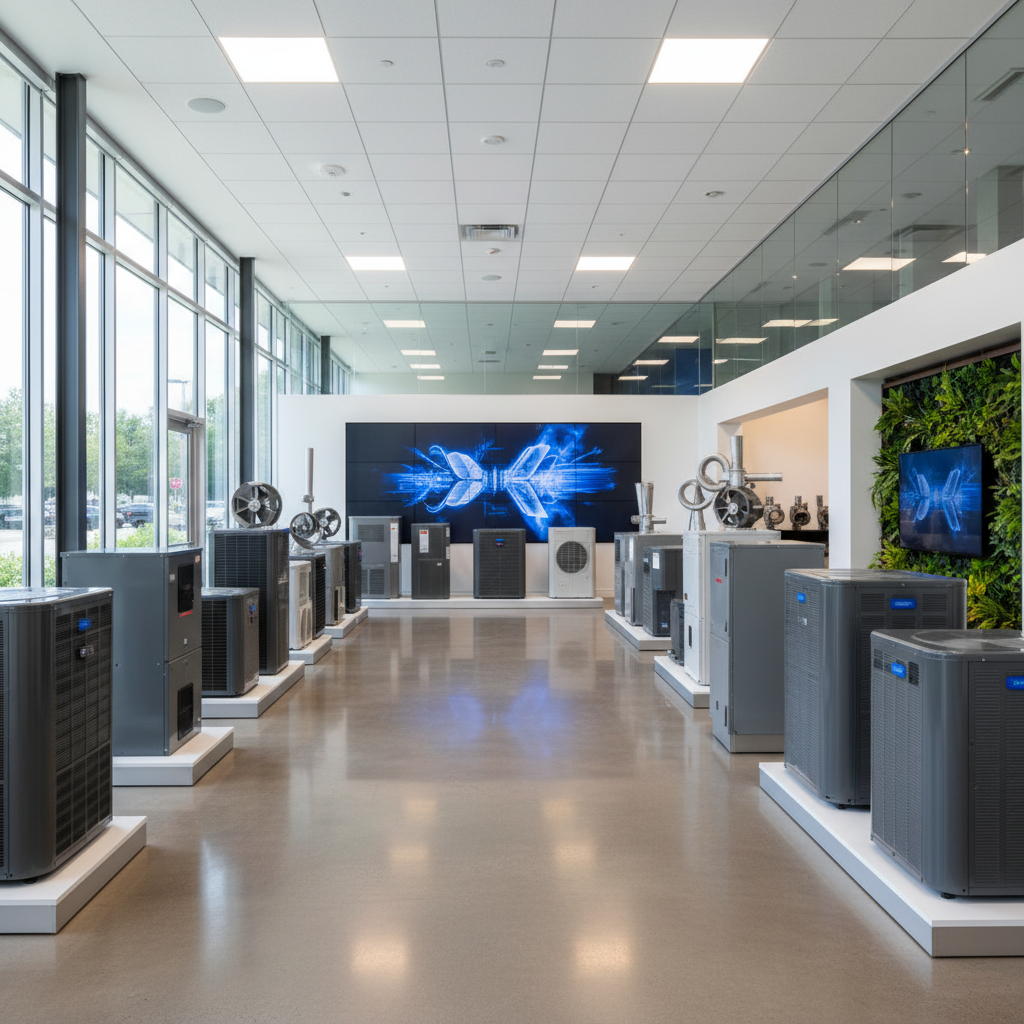 richardson top air conditioning servicesair cond repair near me
Understanding HVAC Services
Common HVAC Systems and Their Components
Choosing the Best HVAC Technician
Understanding HVAC Services Costs
HVAC services
Steps for Effective HVAC Maintenance
- Schedule Seasonal Tune-Ups: Ensure your HVAC system operates efficiently by scheduling professional maintenance at the beginning of each season. This involves cleaning filters, checking for leaks, and inspecting all components.
- Change Air Filters Regularly: Replace filters every 1-3 months, depending on usage, to maintain optimal airflow and air quality. Dirty filters can strain your system, leading to higher energy costs.
- Keep Outdoor Units Clear: Ensure the area around your outdoor unit remains clear of debris, vegetation, and obstacles to promote proper airflow. This can help enhance cooling efficiency.
- Seal Ductwork: Inspect ductwork for leaks, as unsealed ducts can lead to significant energy loss. Consider using mastic sealant or foil tape to cover any identified gaps.
- Install a Programmable Thermostat: A programmable thermostat can help you manage your HVAC system effectively, reducing energy consumption during off-peak hours.
- Monitor and Address Odd Noises: Stay attentive to unusual sounds from your HVAC system, which can indicate a need for immediate repair to prevent more significant issues from arising.
Tips for Selecting HVAC Services
Keeping your HVAC system in optimal condition requires careful attention to both routine maintenance and service provider selection.
- Research the best HVAC contractors in your area and check certifications.
- Ask for quotes from multiple contractors to ensure competitive pricing.
- Look for detailed customer reviews to help gauge service quality.
- Confirm the warranty conditions on new installations to avoid out-of-pocket expenses for repairs.
- Inquire about energy-efficient options to reduce long-term utility costs.
Frequently asked questions
Can you explain what HVAC services mean?
HVAC services include a comprehensive range of systems and solutions designed to control heating, ventilation, and air conditioning in residential and commercial environments, thus promoting comfort and maintaining good air quality indoors.
How should I go about selecting an HVAC services provider?
To choose an HVAC services provider, it's important to check their credentials, gather recommendations from trusted sources, compare pricing, look at online reviews, and assess their background with similar HVAC systems.
What can I expect to pay for HVAC services?
The pricing for HVAC services can vary based on the specific requirements, the type of HVAC system, and how complicated the installation might be, usually falling within a range of $75 to $12,000 for full-service engagements.
Grasping the significance of HVAC services is crucial for ensuring comfort within your living spaces. Choosing a skilled contractor and following proper maintenance routines can lead to an HVAC system that operates effectively all year long.
By implementing the right strategies, you can keep your home or workplace warm in the winter and pleasantly cool in the summer, all while utilizing energy wisely.